

What Is a Fecal Microbiota Transplant?
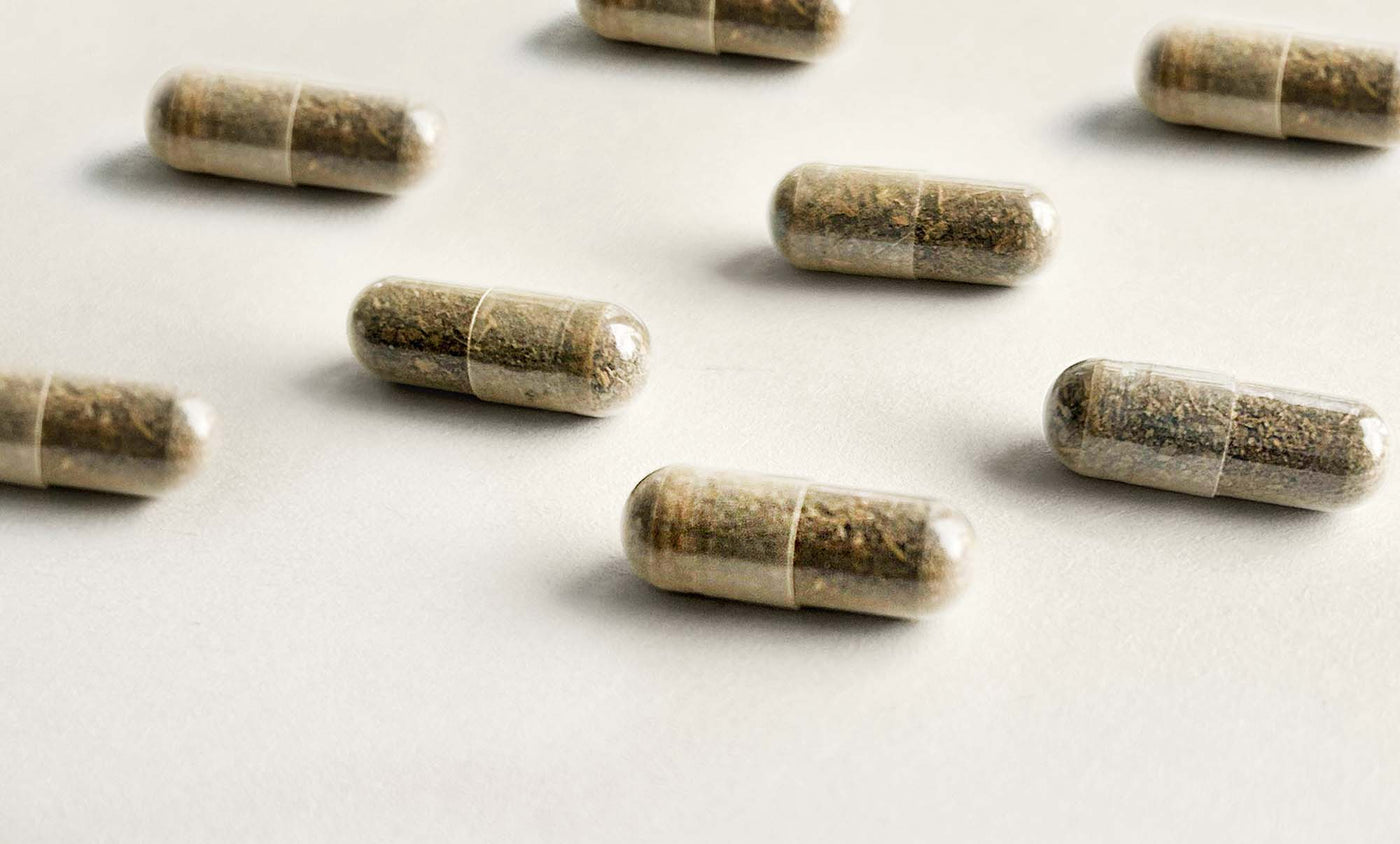
A fecal microbiota transplant (FMT), also called a fecal transplant, is the transfer of stool from a healthy donor to the gastrointestinal (GI) tract of a sick recipient. That transfer can be done in a veterinary clinic (via colonoscopy, enema, or endoscopy) or at home with oral capsules. The stool from the donor contains a diverse, well-functioning community of bacteria that take up residence in the recipient’s gut.
By providing thousands of healthy, species-appropriate gut bacteria, FMT can alleviate a variety of symptoms associated with imbalance or dysfunction of the gut microbiome—including digestive disorders like inflammatory bowel disease (IBD), chronic enteropathies, colitis, atopic dermatitis, and immune system issues.
What Symptoms and Conditions in Pets Can Be Improved with a Fecal Transplant?
Digestive Issues
Digestive Issues
Digestive symptoms in pets, such as diarrhea, constipation, vomiting, and weight loss can have many different underlying causes. If other explanations (e.g. sensitivities, parasites, infectious disease) have been ruled out, pets experiencing these symptoms likely have an imbalanced gut microbiome.
An imbalance among the gut’s bacterial populations may occur as a result of advanced age, poor diet, medications (especially antibiotics), and other factors.
For example, the genus Escherichia (a group of bacteria that includes E. coli) can be a beneficial member of the community when it makes up only a small part of a cat or dog’s gut microbiome. But an overgrowth of Escherichia can cause diarrhea and other uncomfortable digestive issues. FMT can resolve diarrhea quickly by introducing a whole community of beneficial bacteria that crowd out the harmful ones, restoring healthy function to the digestive system.
Skin Issues
Skin Issues
Research has shown that long-lasting or recurring skin issues in cats and dogs—such as red or itchy skin, hair loss, and recurrent ear infections—have a connection to the gut microbiome. That’s because skin conditions are often caused by an exaggerated immune system response, and the large majority of the body’s immune cells are located in the gut.
In addition to interfering with proper immune function, an imbalanced gut microbiome can cause the intestinal walls to become more permeable, or “leaky” (a factor that’s associated with food allergies). Both of these effects—a compromised immune system and a leaky gut—can show up in your pet as skin problems. A dysfunctional gut environment is also more prone to inflammation, which can trigger hyperactive immune responses all over the body.
Itching and other skin problems may be a clue that your cat or dog’s gut microbiome is imbalanced. Learn more about testing your pet’s gut microbiome with AnimalBiome’s gut health test kits to make an informed decision about how best to manage your pet’s symptoms.
Read more about atopic dermatitis and the gut microbiome: Managing Atopic Dermatitis in Pets

Fecal Transplant in an Oral Capsule for Cats and Dogs
In-clinic veterinary fecal transplant procedures can be expensive, and often require sedation. That’s why Animal Biome developed its one-of-a-kind fecal transplant in an oral capsule, offering a convenient and safe approach to fecal transplants for cats and dogs.
Gut Restore is an oral FMT capsule that gives your cat or dog the benefits of FMT without the need for surgery or sedation. Our Gut Restore capsules deliver viable cat- or dog-specific bacterial cells in the form of carefully screened, cryoprotected, freeze-dried donor stool. Stable at room temperature, the capsules offer a noninvasive, affordable, at-home alternative for pets suffering from digestive, skin, or immune system issues.
How Does the Gut Restore Supplement Work?
By “seeding” your cat or dog’s gut microbiome with a healthy and balanced community of bacteria, our FMT capsules can help restore gut microbiome health and stop symptoms at their source.

Add Missing Good Bacteria
When pets with digestive symptoms and skin issues are missing important gut bacteria, it’s important to add those missing members to the gut microbiome and help the new populations grow and thrive.
Unlike standard probiotics, our Gut Restore provides a whole community of thousands of different kinds of bacteria and other microbes that are native to healthy cats or dogs. The capsule’s enteric coating prevents it from dissolving until it reaches the intestines, where the contents seed your pet’s gut with a diverse array of healthy bacteria, restoring any missing groups.

Reduce Harmful Bacteria
If your pet’s Gut Microbiome Health Test report shows an overgrowth of harmful bacteria, restoring balance will require removing or reducing those troublesome groups. FMT capsules can help in this scenario too, through a process called competitive exclusion. The new beneficial bacteria from the FMT thrive and multiply, taking resources and space away from the harmful bacteria, which gradually die out.

Increase Diversity
Gut Restore capsules contain a diverse community of thousands of different kinds of healthy gut bacteria native to cats or dogs. Diversity is important because each type of bacteria has a specific job to do to support the pet’s health. Gut Restore helps resolve symptoms by giving the cat or dog’s gut microbiome the important organisms it needs to function properly.

Are Fecal Transplants Safe?
One of the biggest risks of FMT is that poorly screening donor material can introduce pathogens and/or parasites onto the recipient. Animal Biome goes to great lengths to provide customers with the safest FMT material available. The healthy cats and dogs that serve as AnimalBiome’s donors must pass a rigorous selection process, including DNA testing for microbiome composition, and all donor material is extensively screened for pathogens and parasites.
If you choose to have a fecal transplant procedure performed by a veterinarian, it’s important to ask about their screening process for the donated fecal material. In addition, more invasive FMT procedures generally require sedation, which has its own associated risks and complications.

What Makes Animal Biome a Leader in FMT for Pets?
Animal Biome maintains the world’s largest fecal microbiome stool bank for cats and dogs, and we lead the way in best practices for fecal transplants in companion animals. This includes rigorous screening of donor stool, as well as screening of the donors themselves for health, medication history, behavior, and gut microbiome composition. These practices are important both for the success of the fecal transplant and for the safety of the animals involved.
We’ve also set the benchmark for how to conduct pet microbiome studies, and help pet food companies determine whether their products are microbiome-friendly.
See our article published in Frontiers in Veterinary Science on Best Practices for Microbiome Study Design in Companion Animal Research.
How Long Has FMT Been Used in Animals?
FMT has been used in large-animal veterinary medicine since the 17th century. (In livestock, the practice is often called “transfaunation.”) Since the mid-20th century, FMT’s success in treating C. difficile infections in humans has led to an expansion of this approach into small-animal veterinary medicine, especially as a treatment for chronic diarrhea in cats and dogs.
Many animal studies have shown that FMT can help resolve diarrhea—caused by inflammatory bowel disease (IBD) or parvovirus (parvo), for example—as well as skin issues like atopic dermatitis.
How Long Has FMT Been Used in Humans?
The transfer of fecal material from a healthy person to a sick person to cure disease goes back as far as fourth-century China, and has been performed for hundreds of years throughout Europe. The practice gained momentum in the United States in the 1950s and has become an increasingly widespread treatment method with well-documented success.
Though modern regulatory entities like the Food and Drug Administration (FDA) are still determining what conditions FMT therapy is approved for, FMT continues to demonstrate promising results for a growing list of human health conditions in experimental trials.