Ellen Barber
  Katie Dahlhausen, PhD
Stinky dog breath: It’s a common condition with many possible causes. Temporary bad breath is usually relatively harmless (maybe your dog just ate some cat poop), but ongoing bad breath could indicate a serious underlying health problem.
In this article, we’ll cover the most common causes of chronic bad breath in dogs, prevention tips, and available treatment options.
Common Causes of Chronic Bad Breath
If your dog’s breath smells bad for just a day or two (and isn’t accompanied by vomiting or any other symptoms), there’s probably no reason for concern. But bad breath that still hasn’t freshened up after a few weeks—what veterinarians call “chronic halitosis”—should be investigated.
Here are the most common underlying causes of bad-smelling breath in dogs.
Gum Disease
By the time they are three years old, 80% of dogs have gum disease, also called periodontal disease. Gum disease is caused by a buildup of bacteria on the teeth, called plaque, and is the most common reason for bad breath in dogs.
A healthy dog mouth contains thousands of different kinds of beneficial bacteria, but plaque promotes the growth of “bad” bacteria that produce unpleasant odors. If plaque isn’t removed, it hardens into tartar (calculus) and causes irritation and inflammation of the gums (gingivitis), which is the first sign of gum disease.
If left untreated, gum disease in dogs can lead to tooth decay and painful infections of the gum tissue that can also cause bad breath. In addition, gum disease is linked to serious health issues that can affect your dog’s whole body.
Diseases and Health Conditions
Multiple diseases and health conditions are connected to bad breath. That’s why, in human medicine, there are tests that use breath to detect the early onset of certain diseases in a non-invasive way. The most well-known connections between disease and bad breath involve diabetes, liver disease, and kidney disease:
- Diabetes can cause a buildup of ketones—acids released when the body burns fat instead of glucose for energy—resulting in breath that smells sweet, fruity, or like nail polish remover. In dogs, diabetes can also lead to high sugar levels in the saliva. That increased sugar content in the mouth allows odor-producing bacteria to thrive.
- Liver disease can cause the breath to smell musty or like a dead animal. That’s because when the liver can no longer properly filter out toxins, stinky sulfur compounds, such as thiols, are released into the lungs.
- Kidney disease can result in high urea levels in the body, causing the breath to smell like urine, ammonia, or fish. Kidneys are also an important organ for filtering out toxins.
An Imbalanced Oral or Gut Microbiome
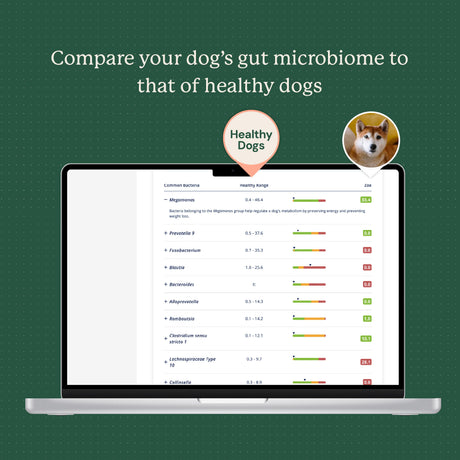
A microbiome is a dynamic, complex community of bacteria, viruses, fungi, and other microorganisms. Your dog has a gut microbiome in their intestinal tract, and an oral microbiome in their mouth. Both play key roles in your dog’s overall health.
The route from the mouth to the gut may look like a one-way street, but oral health and gut health affect each other in multiple ways. And bacterial communities in both the gut and the mouth are connected to bad breath.
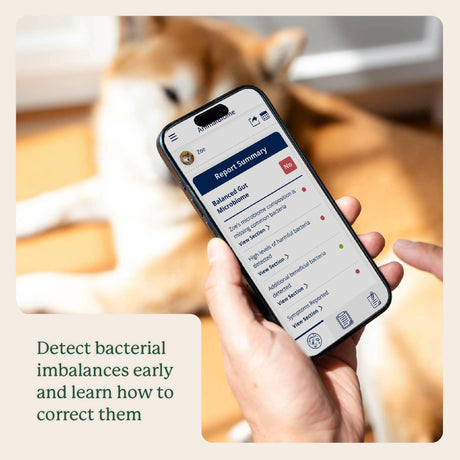
When it contains too few beneficial bacteria, too many harmful bacteria, or the bacteria present aren’t distributed in a healthy way, a microbiome can be considered imbalanced.

An Imbalanced Oral Microbiome Can Cause Bad Breath
Certain harmful bacteria in the mouth, like E. coli and other pathogens that grow in anaerobic (oxygen-free) pockets, produce gases with an unpleasant odor. In an imbalanced oral microbiome, these harmful bacteria thrive and become the most abundant populations.
An imbalanced oral microbiome can also disrupt the balance of bacteria in the gut microbiome. Dogs swallow a lot of saliva, which contains bacteria from the mouth. So it’s no surprise that some of those bacteria end up living in the gut, where they crowd out the beneficial bacteria and create imbalances.
An Imbalanced Gut Microbiome Can Cause Bad Breath
An overgrowth of certain bacteria in the small intestine can produce a lot of smelly gas. This gas gets absorbed into the bloodstream and eventually exhaled as bad breath. That’s why gut microbiome imbalances (and the health conditions related to such imbalances) can cause bad breath.
Susceptibility And Other Issues
Smaller dog breeds, older dogs, and breeds with short snouts are more prone to bad breath. If your dog belongs to one of these categories, talk with your veterinarian about what oral care practices and lifestyle modifications can best protect your dog from conditions associated with bad breath.
Oral tumors, abscesses, and other oral health issues can cause bad breath. While less common in dogs, bowel obstructions (e.g., from foreign objects), acid reflux, and other gastrointestinal issues can manifest as bad breath. That’s because these health issues mean that bad-smelling gases associated with digestion don’t move in the right direction in the intestinal tract.
In addition, poor oral hygiene can make some bad-breath-causing conditions worse. For example, harmful bacteria that enter the bloodstream through inflamed gums can cause an infection, which can worsen canine diabetes by increasing insulin resistance and making blood sugar levels harder to manage.
Preventative Measures for Stinky Dog Breath
You can help keep your dog’s breath smelling sweet by practicing good oral hygiene, feeding a high-quality diet, and promoting a healthy oral microbiome.
Protect Against Gum Disease
Since periodontal disease is the most common cause of bad breath in dogs, taking care of your dog’s oral health is the first step in preventing bad breath. Here’s what veterinarians recommend:
- Regularly brushing your dog’s teeth (with a toothbrush and toothpaste designed for dogs) is the most effective way to prevent bad breath. Daily tooth brushing protects against dental disease by removing plaque before it can build up below the gum line and harden into irritating tartar.
- Providing your dog with lots of chew toys is also an effective way to improve oral health, because the gnawing process knocks off plaque and can increase saliva production to wash away bacteria.
- Routinely checking your dog’s teeth for signs of inflammation (red or puffy gums) or worsening of oral health so you know whether to adjust your dental care practices. Check out this peer-reviewed study of periodontal disease in dogs: It does a great job of explaining and showing the different stages of gum disease so you know what to look out for.
-
Taking your dog in for an annual exam, which will include a check inside the mouth. Schedule a dental cleaning if your veterinarian recommends it. Most gum disease actually occurs under the gums, where a toothbrush can’t reach, so it’s important to have that area examined and cleaned by a professional.
Assess Your Dog’s Diet and Eating Habits
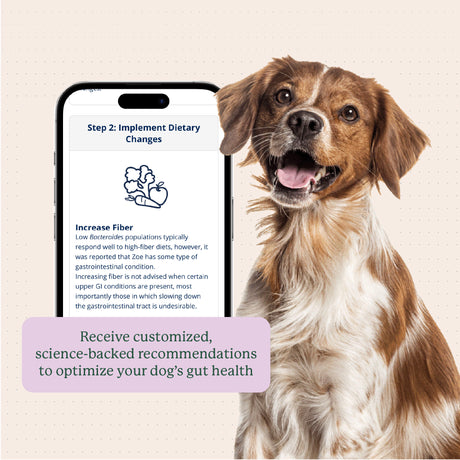
A healthy, balanced diet can also help prevent smelly dog breath. For example, certain ingredients in your dog’s food or treats could be having a negative impact on your dog’s digestive system, resulting in bad breath due to an imbalanced gut microbiome.
A diet that’s missing certain nutrients can also interfere with your dog’s oral health. For example, research shows that dietary deficiencies in vitamin A, vitamin B2 (riboflavin), vitamin B3 (niacin), vitamin B5 (pantothenic acid), and vitamin B9 (folic acid) are associated with early signs of gum disease. Supplementing your dog’s regular diet with liver, fish, and banana is one way to provide important nutrients.
Promote A Healthy Oral Microbiome
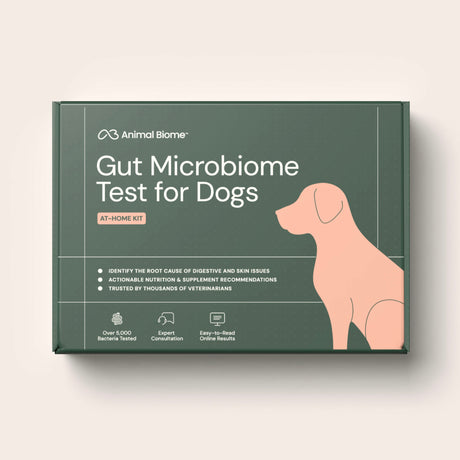
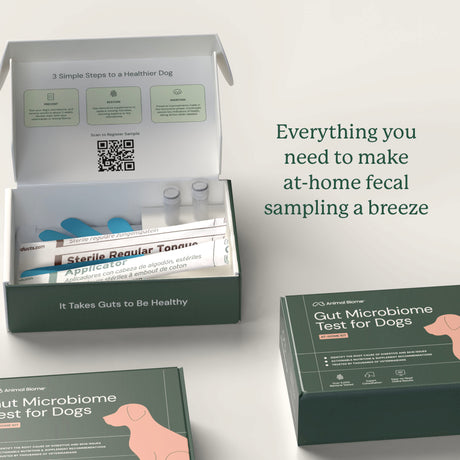
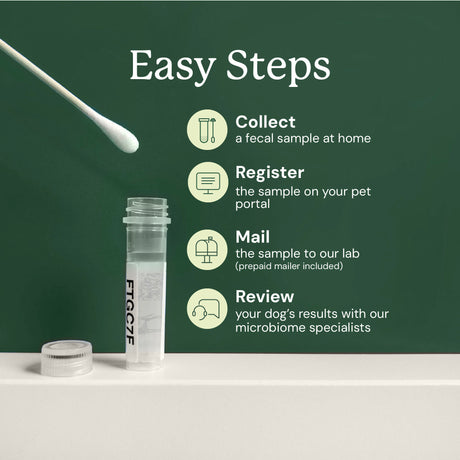
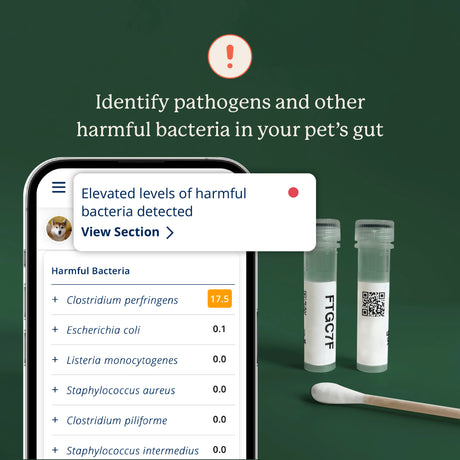
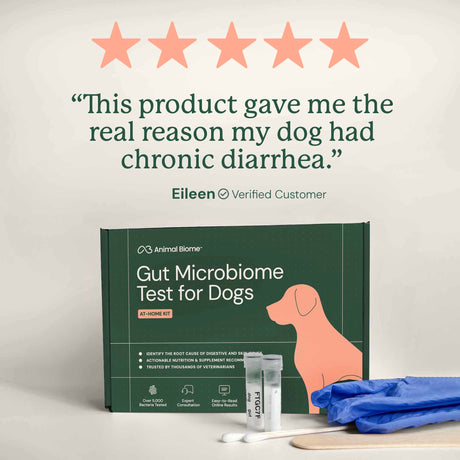
A healthy oral microbiome goes a long way toward preventing bad breath. You can take the guesswork out of where to start with a simple oral health test kit for dogs. The test provides detailed insight into your dog’s oral microbiome by identifying any bacterial imbalances and detecting bacteria known to contribute to gum disease. It also offers personalized recommendations for what you can do to fix imbalances and address high levels of harmful bacteria.
Prebiotic supplements, which can be added to your dog’s water or food, are an easy way to improve oral health. Prebiotics protect against bad breath and gum disease by feeding the beneficial bacteria in your dog’s mouth, supporting a well-balanced oral microbiome.
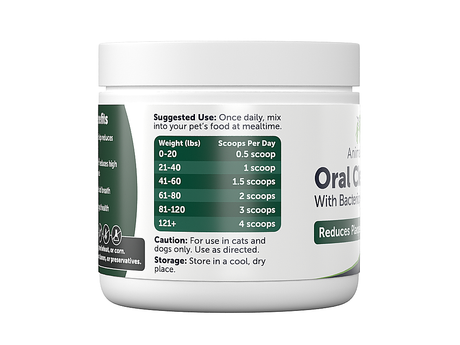
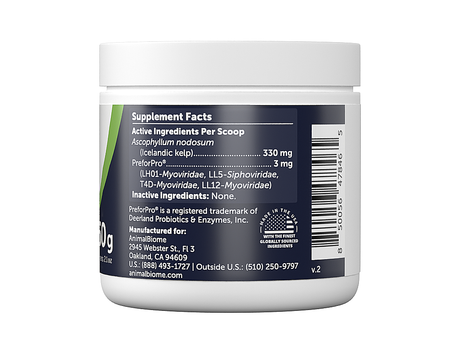
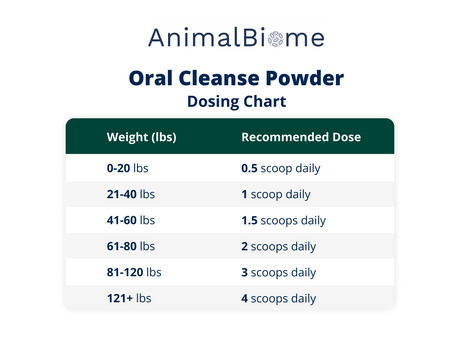
Of the many “oral health” supplements on the market, only a few have been scientifically proven to be effective in supporting or improving oral health. Oral Cleanse Powder contains evidence-based ingredients that prevent plaque accumulation and reduce levels of harmful E. coli bacteria that can colonize in the mouth.
FAQs
What is the best dog treat for bad breath?
The Veterinary Oral Health Council maintains a list of edible chew treats and other products that have earned the VOHC Seal of Acceptance. You should also talk with your veterinarian about the best dental chews and treats for your pup.
How do I stop my dog’s breath from smelling like fish?
Fish-based treats and fish oil supplements can make your dog’s breath smell like fish, of course. But so can gum disease, anal gland problems, and GI issues. Fishy-smelling breath is sometimes a sign of high urea levels in the body, which can be a result of kidney disease. If your dog has chronic fishy breath, consult your veterinarian.
Can I use toothpaste on my dog?
Never use human toothpaste on a dog, since it contains ingredients that can be harmful or even fatal to dogs. Instead, choose one of the safe, palatable toothpastes designed specifically for dogs.
Is it normal for my dog to smell my breath?
Yes! Dogs get a lot of their information about the world through their sense of smell, so by smelling your breath, your dog may be trying to learn more about you.
What are the symptoms of kidney failure in dogs?
The first signs of kidney failure in dogs are typically increased thirst and increased urination. As the disease progresses, it can cause lethargy, decreased appetite, weight loss, vomiting, and diarrhea. Because failing kidneys can no longer adequately filter toxins out of the bloodstream, these chemicals build up and may lead to breath that smells like ammonia.
Can halitosis (bad breath) in dogs be cured?
Chronic bad breath can be a symptom of many different health issues. Identifying and treating the underlying cause is the only way to cure bad breath.