Katie Dahlhausen, PhD
No one likes to itch. It’s uncomfortable, maddening, even painful. The medical term is pruritus: an unpleasant sensation in the skin that causes a desire to scratch (or lick or bite). An itchy cat is one of the most common reasons for a trip to the veterinarian.
But itching itself isn’t a disease: it’s a symptom with a range of possible causes. Fleas, infections, and allergies can make your cat itch, for example, but so can an imbalanced gut microbiome, because that community of microorganisms living in the gut contains most of your cat’s immune system cells. To help your itchy cat feel better, the first step is to identify the underlying problem.
Symptoms: What to Watch For
Itching is a prominent feature of many different skin diseases. Underneath that soft, pettable coat, your cat’s skin plays multiple important roles in their overall health, protecting the body and helping regulate its temperature, among other functions. In fact, the skin is your cat’s largest organ, representing up to a quarter of their total body weight.
Some diseases of the skin can negatively impact on many other aspects of your cat’s health. At the same time, skin disorders can also be the effect of other health problems. And skin issues are very common. Roughly 6%–15% of cats have at least one skin disease. Many have more than one.
Clinical Signs
These are some common signs of skin disease in cats:
- Excessive scratching, licking, biting, or chewing of the skin or fur
- Scratching focused on one area (such as the ears or base of the tail)
- Redness and swelling of the skin (especially the lower belly, armpits, and groin)
- Hair loss
- Scabs or scaly, flaky skin
- Bumps or swellings on the skin
Find The True Cause of Itching
Scratching in response to itching can lead to further irritation and damage to the skin. So sometimes it’s difficult to tell which symptom came first. Inflammation (redness and swelling) of the skin may be caused directly by a disease, or a disease that causes itching may lead to scratching or biting, which in turn causes inflammation.
And sometimes what causes the itching isn’t the skin disease itself but the secondary infections (bacterial or yeast) that can develop as a result of the primary disease.
So figuring out the true cause of your cat’s itching may take some effort and patience.

Why Is Your Cat Itchy?
Pruritus has many different potential causes, but the most common causes of itching in cats are parasites, infections, and allergies.
Parasites
Fleas, ticks, and mites are some of the parasites that commonly cause itching. Which area of the body is most affected can be a useful clue. Excessive scratching of the ears could mean ear mites, for example. Excessive licking and biting around the base of the tail often points to fleas.
Infections
Both bacterial and fungal infections often involve itching. One very common fungal infection in cats is ringworm (dermatophytosis), which is typically caused by the fungus Microsporum canis. Another fungus that commonly causes itchy infections is a species of yeast called Malassezia.
Allergies
An allergy is an exaggerated response by the immune system to a particular trigger (an allergen) that it misidentifies as a danger to the body. This kind of overactive immune response typically creates inflammation, and inflammation of the skin (dermatitis) is often itchy.
If you notice your cat scratching or licking excessively, one of many different allergies may be to blame. Here are some of the most common allergies that cause itching in cats:
- Insect bite sensitivity (especially the sensitivity to flea saliva, which causes flea allergy dermatitis)
- Seasonal allergies (triggered by airborne allergens, such as pollen and dust)
- Contact allergies (reactions to substances that come in contact with the skin, such as certain cat litters, fabrics, dyes, cleaning products, plastics, or plants)
- Food allergies (which cause itching that isn’t seasonal)
- House dust mite allergy
- Atopy (an inherited immune system issue)
Sometimes there’s more than a single cause involved in a cat’s itching. Cats with food allergies, for example, are much more likely to develop other skin diseases.
Overgrooming vs. Itching
Is your cat actually scratching an itch? Sometimes excessive licking and scratching are signs of another issue, like anxiety. Your veterinarian can help you get to the bottom of what’s going on.
Diagnosis: What to Expect at the Vet’s
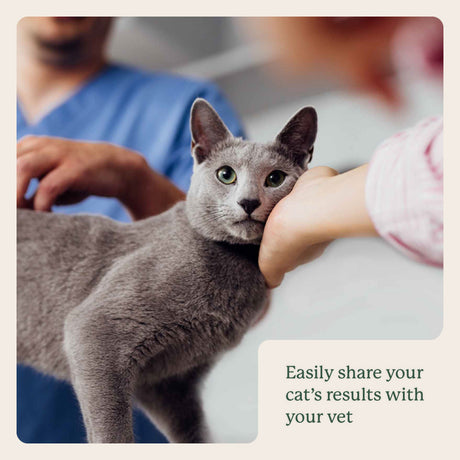
Your observations and records of your cat’s symptoms helps your veterinarian figure out the underlying cause of the itching and identifying the proper treatment. Your vet will want to know, for example, when you first noticed your cat scratching or licking excessively, under what conditions the itchy behavior occurs, whether you’ve tried any solutions already, and what effect those solutions had.
It’s a great idea to take pictures of the affected areas of skin and/or videos of your cat’s behavior (e.g., scratching or licking a particular area). Keeping the images in a folder on your phone make it easy to provide your veterinarian with a lot of specific, useful data right up front.
Checking for the Most Likely Culprits
If the cause of your cat’s itching isn’t immediately clear, your veterinarian typically starts by checking for parasites—using a flea comb to look for flea dirt and/or putting skin scrapings under a microscope to check for the presence of mites.
Next, your veterinarian will check for infection. There are specialized tests for ringworm and other fungal infections. Bacterial infections can be detected through skin sample analysis.
If parasites and infections are ruled out, the next possibility to consider is allergies. Knowing whether your cat’s itching is seasonal or year-round helps your veterinarian determine whether an environmental allergen, a food, or some other trigger might be involved.
Sometimes it’s necessary to try one or more treatments and see what works. For example, if steroids tend to improve your cat’s symptoms, then the cause of the itching is probably allergic rather than infectious.
Long-term itching that doesn’t involve parasites, infections, or food allergies is often diagnosed as atopic dermatitis.
What Is Atopic Dermatitis?
Atopic dermatitis (AD) is a pruritic (itchy) skin disease in which the immune system is predisposed to overreact to certain environmental allergens. The symptoms of AD (e.g., itchy, red, irritated skin) can occur seasonally or year-round. This hypersensitivity of the immune system is called atopy.
Atopic dermatitis is a multifaceted, often chronic disease. It clearly has a genetic component (so some cat breeds may be more likely than others to develop AD), but the gut and skin microbiomes are also involved. (Breed also influences the particular kinds of microorganisms that make up your cat’s skin microbiome.)
Imbalance (dysbiosis) and reduced bacterial diversity in the gut microbiome (for instance, as a result of antibiotic use) are associated with the development of atopic diseases. A clear connection has also been established between dysbiosis of the skin microbiome and AD. Like the gut microbiome, the skin microbiome (the community of microorganisms that live on and in the skin) influences the activities of the immune system.
Because of the gut’s involvement, fecal microbiota transplantation (FMT) offers a promising new treatment option for atopic dermatitis. For example, a recent study found that the use of oral FMT capsules in dogs was associated with remarkable improvements in their atopic dermatitis. A 2021 study published in the journal Experimental & Molecular Medicine, found that supplying healthy gut microorganisms via FMT to mice with atopic dermatitis resulted in diminished symptoms and higher levels of beneficial compounds called short-chain fatty acids (SCFAs).
How Is the Gut Involved in Skin Diseases?
Among the many ways it supports your cat’s overall health, the gut microbiome plays a vital role in both skin health and the immune system. So skin issues and/or poor coat condition could be a sign that your cat’s gut microbiome isn’t functioning well and may be out of balance.
The good news is that the gut’s involvement in itchy skin problems means that dietary interventions and gut microbiome support can be very effective strategies for treating your cat’s symptoms.
The Gut–Skin Axis
Trouble in the gut microbiome can contribute to skin problems in multiple ways. An imbalanced gut leads to impaired immune function, as well as increased permeability, or “leakiness,” of the intestinal lining (a condition commonly referred to as “leaky gut”). Leakiness of the gut lining is a factor that’s strongly associated with food allergies. A dysbiotic gut is also prone to inflammation, which can encourage overactive immune responses throughout the body.
A “gut–skin axis” allows chemical communication back and forth between the gut and the skin. That’s how changes in the gut microbiome—for example, through the addition of certain dietary supplements—can affect skin symptoms.
The Immune System
Many skin diseases in cats are caused by an immune system overreaction, so effective treatment should target the immune system, which means focusing on the gut microbiome: 70%–80% of the body’s immune cells live in the gut.
Diet is the best way to manage your cat’s gut health. Extensive research has looked at many different dietary interventions to treat immune system problems, but the most effective ingredients for improving gut and immune function are certain prebiotics and probiotics.
How to Heal Your Cat’s Gut
Prebiotics are particular sources of fiber—such as inulin, fructo-oligosaccharides (FOS), and mannan-oligosaccharides (MOS)—that promote the growth of beneficial bacteria in the gut. Gut bacteria “eat” prebiotics through a fermentation process. That process produces friendly compounds called short-chain fatty acids (SCFAs), which serve multiple important roles in the immune system.
Prebiotics also reduce populations of harmful bacteria (pathogens) in the gut by helping the beneficial bacteria crowd them out. Certain prebiotics have even been shown to increase the body’s immune response against secondary infections.
Probiotics are live microorganisms (like the Lactobacillus bacteria in yogurt) that benefit the animal that consumes them. Some probiotics improve gut and immune health by outcompeting harmful bacteria. The probiotic yeast Saccharomyces boulardii has been found to be especially effective at promoting good gut health. Among other benefits, S. boulardii reduces intestinal “leakiness” and decreases inflammation.
Treatment Depends on the Cause
When your cat is itchy, the goal is to soothe the skin while also addressing the underlying cause. The right treatment depends on what’s really causing your cat to itch. Here are some examples:
- Flea allergies call for flea control products.
- Food allergies require an elimination diet, in which you transition your cat to a “novel” protein source they’ve never been exposed to before, wait for the symptoms to subside, then gradually reintroduce one ingredient at a time from the old diet in order to identify the offending element.
- Environmental allergies also require the identification and removal of triggers.
- Bacterial infections and abscesses are typically treated with antibiotics (oral or topical).
- Fungal infections (including yeast infections) usually respond to antifungal medications.
Depending on the cause of your cat’s itching, you may need to take measures to prevent transmission to other pets and humans. Ringworm, for example, is easily transmitted through direct contact with the fungal spores, which can linger on objects and surfaces for up to 18 months.
Avoid Human Medications
You may be tempted to try a human product, like hydrocortisone or antihistamine cream, to soothe your cat’s irritated skin. But you should never use any human product on your cat without first consulting your veterinarian. Some ingredients in human medications can be toxic to animals. And even if a particular topical treatment is safe for the skin, it may make your cat sick if they ingest it while grooming.
Break the Cycle of Inflammation
Some cases of itching may require anti-inflammatory drugs (like corticosteroids) or immunosuppressive drugs (like cyclosporine). But often a gentler way to break the cycle of inflammation is to rebalance and support your cat’s gut microbiome.
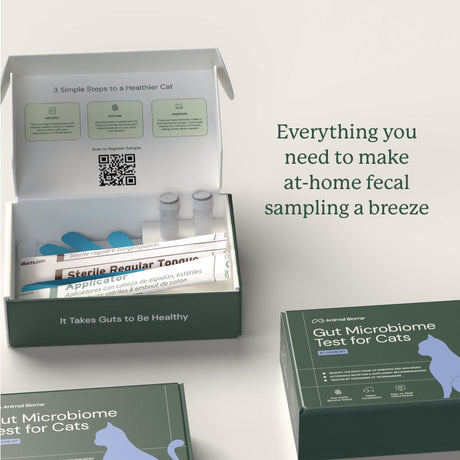
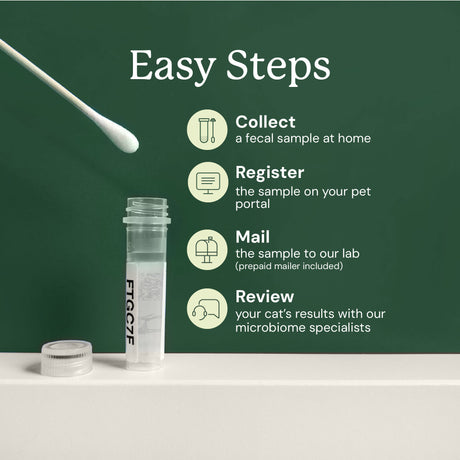
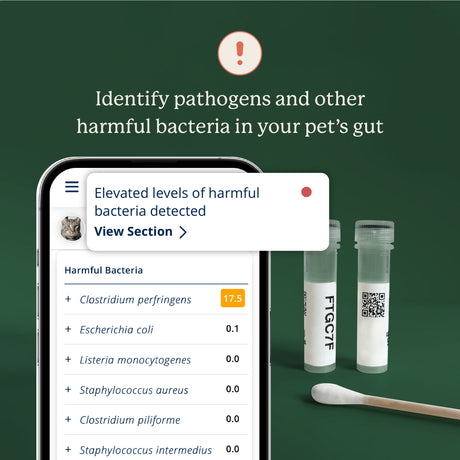
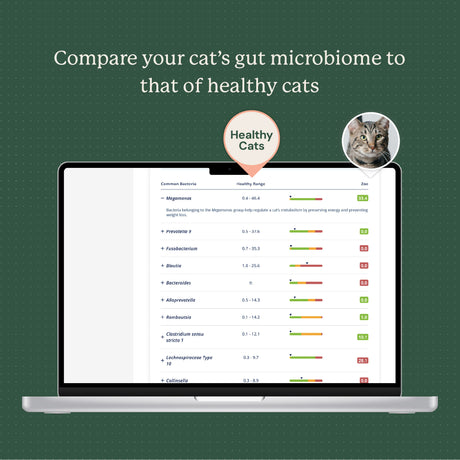
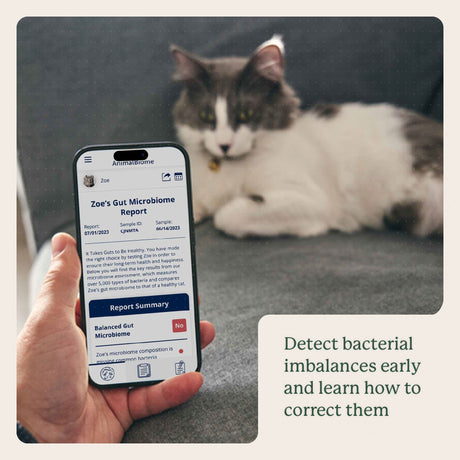
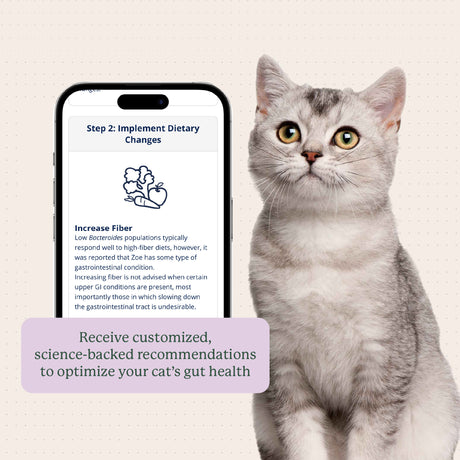
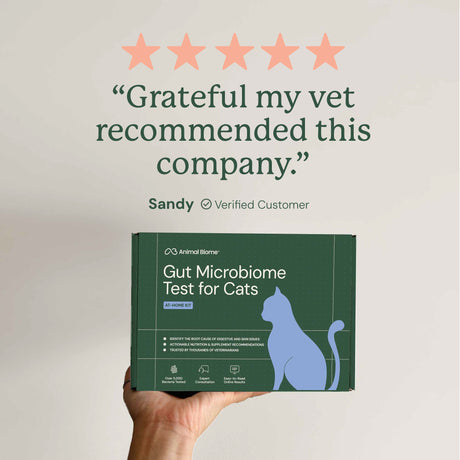
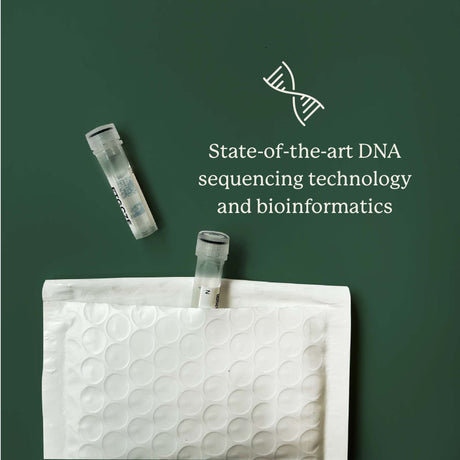
Test your cat’s gut health with a KittyBiome Gut Health Test. You’ll find out whether all the different kinds of gut bacteria your cat needs are present in the right proportions. If important beneficial bacteria are missing or there are too many harmful bacteria, the resulting imbalance can lead to impaired immune system responses, like allergies and inflammation.
What You Can Do to Help Your Itchy Cat
In addition to identifying and treating the root cause of the itching, you can do a lot to soothe your cat’s symptoms.
- Try to prevent your cat from scratching already irritated skin and making the inflammation worse. Some pet owners prefer to use recovery suits or inflatable collars instead of a cone.
- A warm bath with a special cat shampoo can soothe itchy skin and also remove irritating substances (like pollen). Ask your veterinarian about medicated shampoos that might improve your cat’s symptoms.
- For cats with occasional or mild skin symptoms, our KittyBiome S. boulardii + FOS Powder, a probiotic plus prebiotic daily supplement, supports healthy skin by feeding the beneficial bacteria in your cat’s gut microbiome.
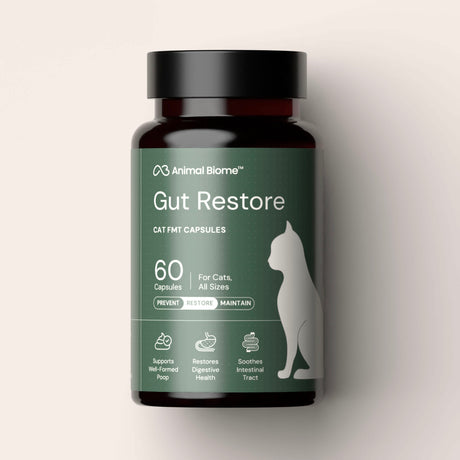
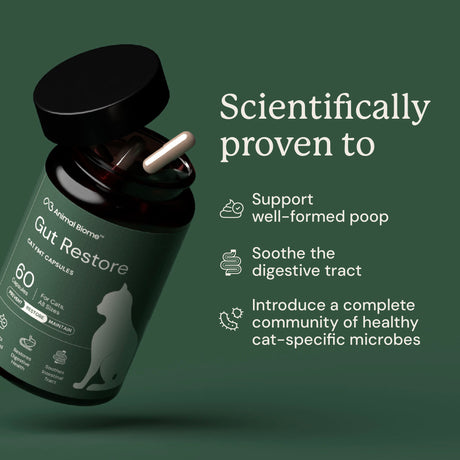
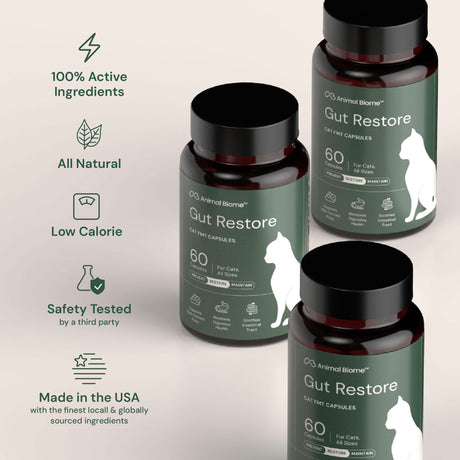
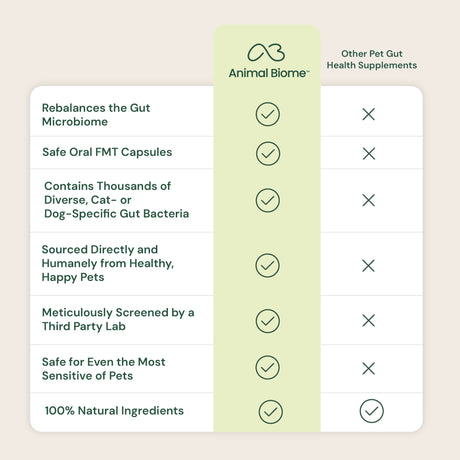
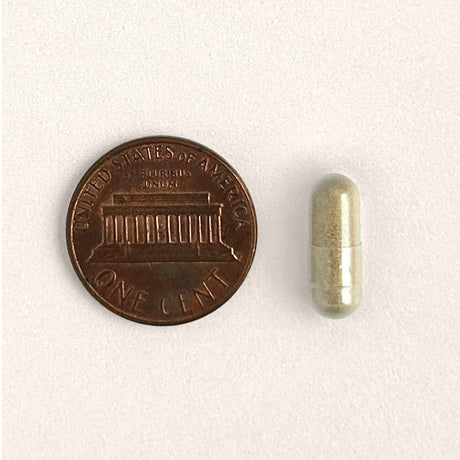
- For cats who suffer from moderate, severe, or chronic skin issues (like atopic dermatitis), we recommend our KittyBiome Gut Restore Supplement. The Gut Restore oral FMT capsules contain a complete community of healthy cat-specific microorganisms. By filling in any missing beneficial bacteria, crowding out harmful populations, and restoring healthy diversity, this supplement can rebalance an imbalanced gut microbiome and resolve a range of symptoms, including itchy skin.
How to Prevent Itching
You can help keep your cat healthy and happy by taking simple steps to prevent itchy skin problems. Here are some tips:
- Regular brushing or combing, especially if your cat has long or thick hair, helps prevent matting, dry skin, and dandruff, all of which can cause a cat to scratch or lick.
- Use a flea and tick preventative consistently to protect your cat from these common parasites.
- Incorporate more essential fatty acids into your cat’s diet with a high-quality fish oil supplement. Essential fatty acids are important modulators of immune system activity.
- Support your cat’s gut health by feeding a high-protein, low-carbohydrate diet.