Katie Dahlhausen, PhD
When your cat hacks up a slimy hairball, you may be disgusted or annoyed (especially if your bare foot or an expensive rug is involved). You may also wonder whether that’s normal. An occasional regurgitated wad of hair isn’t cause for alarm, but frequent hairballs might mean your cat has an underlying health problem, such as anxiety, allergies, or an imbalanced gut microbiome (the community of microorganisms in the digestive tract).
Why Do Cats Get Hairballs?
Domestic cats spend about 30%–50% of their day grooming themselves. It’s a healthy activity: grooming is how cats stay clean, and it’s also soothing. Because of the hook-shaped protrusions (papillae) on their tongues, cats end up swallowing a lot of the loose hair they lick out of their coats. This is a normal part of feline digestion.
Is Hair in Cat Poop Normal?
Hair is made of keratin, a protein mammals can’t digest, so most of the fur cats swallow is passed along—unprocessed—and eliminated with the stool.
When cat parents send poop samples to AnimalBiome for gut microbiome analysis, they’re sometimes alarmed at seeing clumps of hair in their cats’ poop. But that’s actually normal. AnimalBiome has processed thousands of samples of cat feces, and Chief Science Officer Dr. Holly Ganz says, “I can tell you that there is a lot of hair in there.”
When Hair Can’t Pass Through Properly, It Forms a Wad
Some of the ingested hair can remain in the cat’s stomach and form a ball—the technical term is a trichobezoar. If this hairball formation is too big to pass into the intestines, it’s regurgitated instead. (Traveling through the esophagus on its way back out squeezes the ball into more of a bullet or sausage shape.)
“It’s not uncommon … for a cat to regurgitate a hairball once every week or two,” according to Richard Goldstein, DVM, an associate professor at Cornell University’s College of Veterinary Medicine.
Cat hairballs happen either because the ingested hair can’t move easily through the cat’s digestive tract or because the cat is taking in too much hair for the digestive system to handle. (What about dogs? It’s rare for dogs to have hairballs, but it does happen.)
Hairballs and Your Cat’s Gut Microbiome
The gut microbiome performs all kinds of important functions that support your cat’s digestive system. So those hairballs may be telling you something about the state of your cat’s gut health. For example, your cat’s digestion might be functioning suboptimally because of intestinal inflammation or an imbalanced gut microbiome.
The Importance of Gut Motility
Frequent hairballs (more than a few per month) may be a sign that the digestive system’s ability to move material along—its motility—is impaired. Reduced motility means that food and moisture don’t move through the intestines the way they should, and digestion suffers.
Another important aspect of proper motility is that it limits the amount of time that pathogens and antigens are in contact with the intestinal walls. When these substances aren’t promptly cleared away from the lining of the gut, the resulting bacterial overgrowth can interfere with the body’s absorption of nutrients.
We know that the relationship between motility and the microbiome is a two-way street: changes in the way the intestines move material along can cause changes in the gut microbiome, but the microbiome also greatly influences the motor function of the gut.
Is Your Cat’s Gut Microbiome out of Balance?
When the different populations of bacteria in a cat’s gut aren’t present in the right proportions or key beneficial bacteria are missing, we describe the gut microbiome as imbalanced. An imbalanced gut microbiome is one of the factors that can contribute to inflammatory bowel disease (IBD), and chronic inflammation of the digestive tract can severely disrupt motility, contributing to more frequent hairballs.
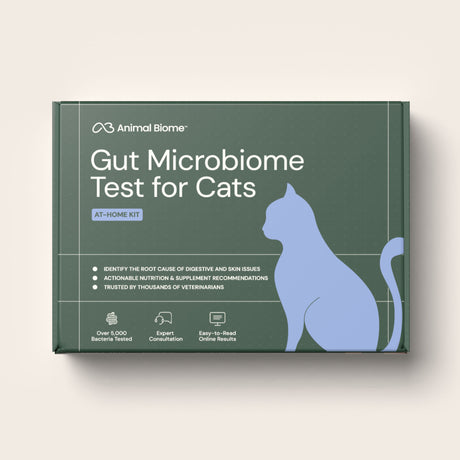
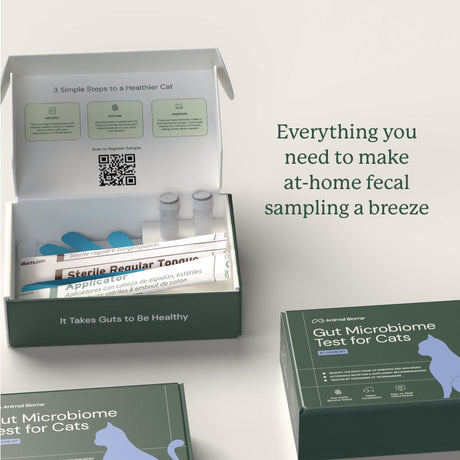
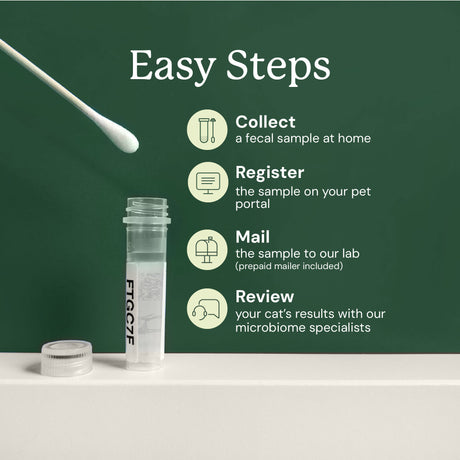
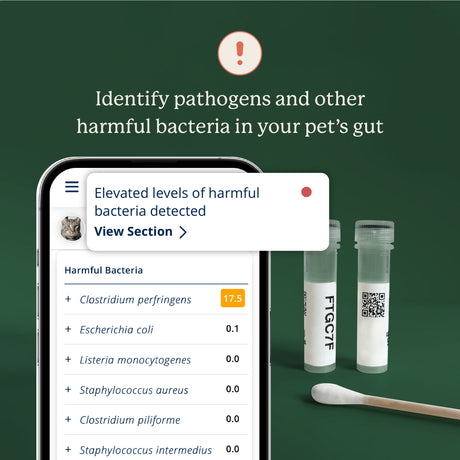
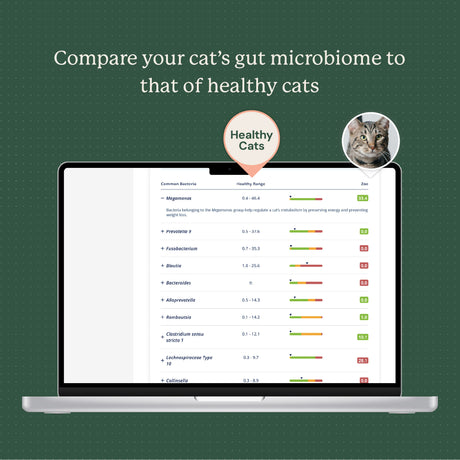
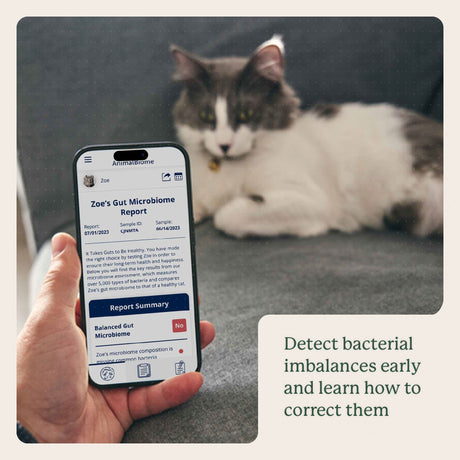
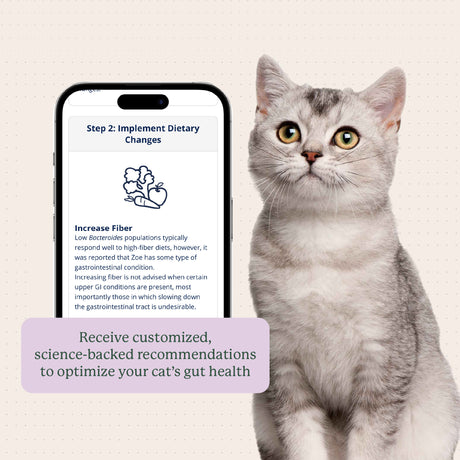
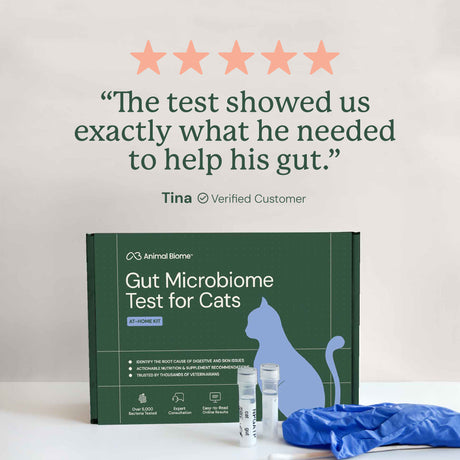
Our easy, at-home KittyBiome Gut Health Test is a great way to learn more about your own cat’s gut health. You’ll receive a personalized report that explains your cat’s results, gives you actionable insights, and includes diet and nutrition recommendations based on your cat’s unique microbiome composition.
Because microbiome testing can identify problematic groups of bacteria and detect imbalances early, you may actually be able to prevent certain health problems in your feline by transitioning to a different cat food or adding a specific supplement to their diet.
Prebiotics Can Help
All those different kinds of gut bacteria need the right fuel in order to perform their functions in the body. So by providing the beneficial bacteria in your cat’s gut with the proper food, you may be able to reduce or even prevent uncomfortable symptoms like frequent hairballs.
Substances that feed and promote the growth of healthy gut bacteria are called prebiotics. Prebiotics are particular kinds of fiber, such as inulin, fructo-oligosaccharides (FOS), and mannan-oligosaccharides (MOS).
Studies have found that for cats, FOS offers greater benefits than other prebiotic fibers. Our KittyBiome S. boulardii + FOS Powder contains this helpful prebiotic as well as the probiotic yeast Saccharomyces boulardii. S. boulardii has been shown to reduce inflammation and promote the growth of beneficial gut bacteria.
Bacteria “eat” prebiotics through the chemical process of fermentation. The byproducts of that process, called postbiotics, are also important for a healthy gut. Some of the most important postbiotics are short-chain fatty acids (SCFAs), which (among other functions) help regulate intestinal motility.
Rebalance Your Cat’s Gut
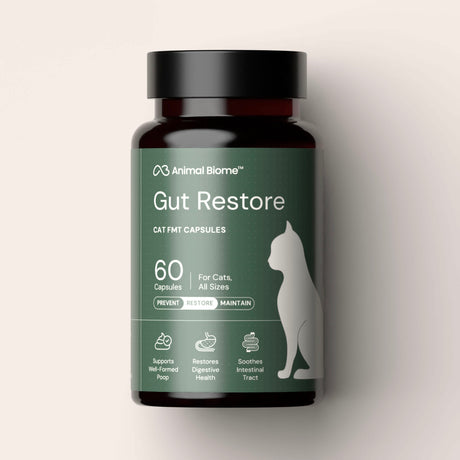
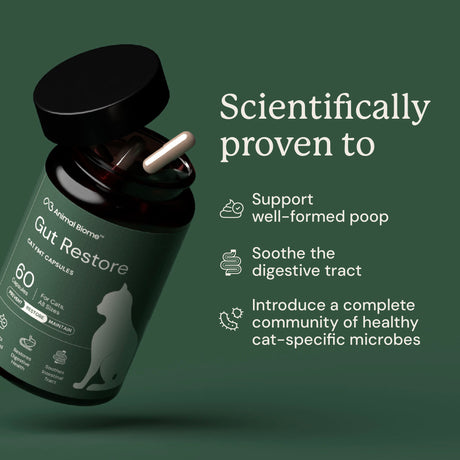
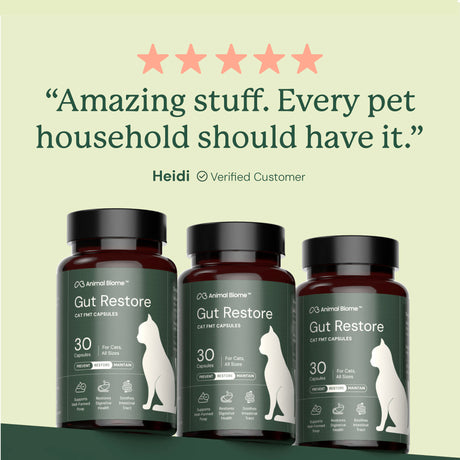
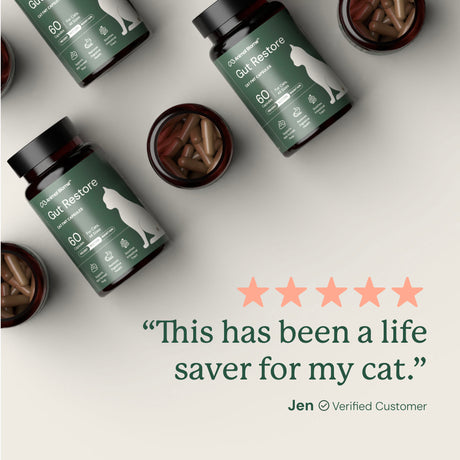
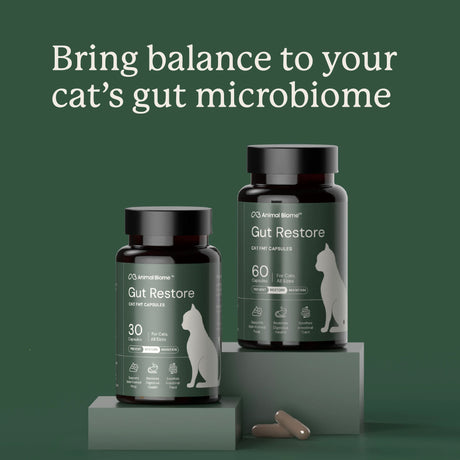
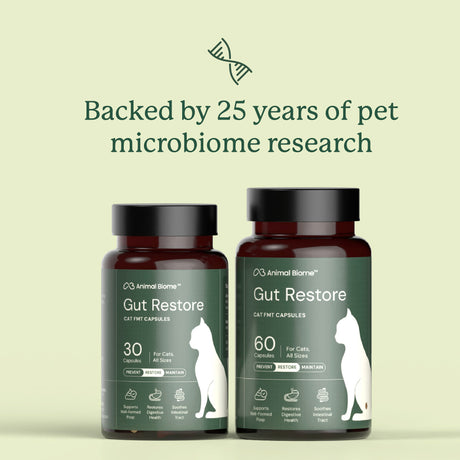
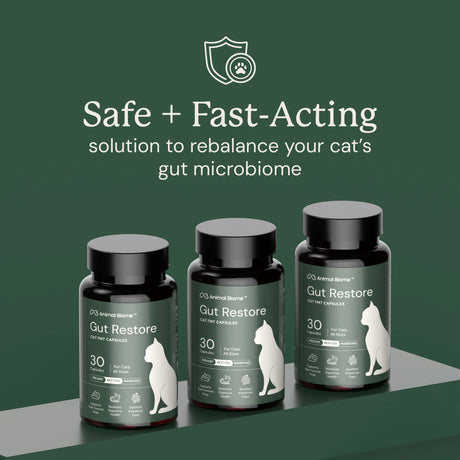
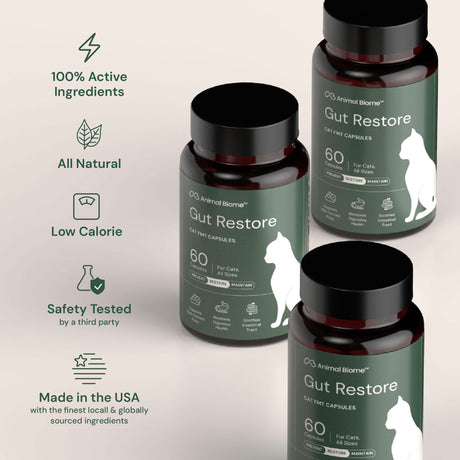
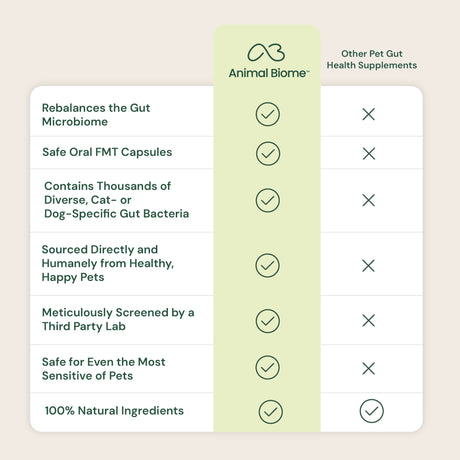
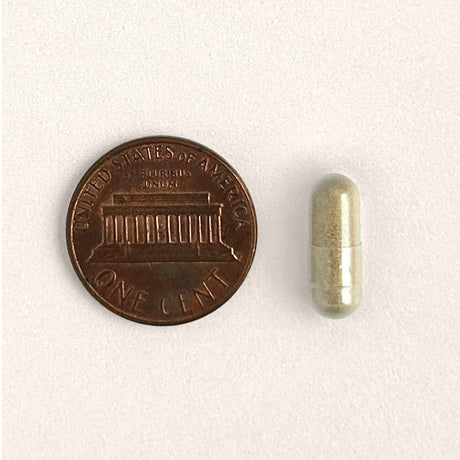
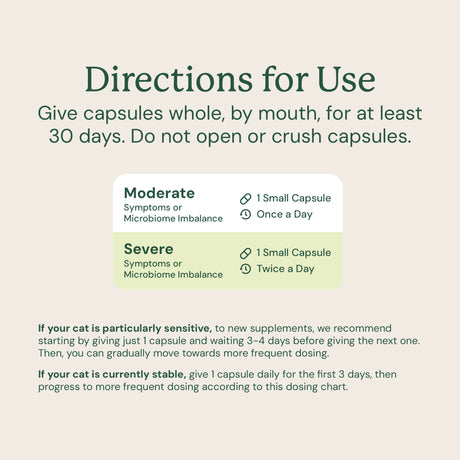
If your cat’s Gut Health Test report shows that important beneficial bacteria are missing or too many harmful bacteria are present, restoring balance to the gut microbiome can help resolve a variety of symptoms, including frequent hairballs. Our KittyBiome Gut Restore Supplement is an oral capsule that gives your cat the benefits of a fecal microbiota transplant (FMT) without the need for anesthesia or expensive procedures. The capsules contain a whole community of healthy, cat-specific gut microorganisms that fill in any missing bacteria, crowd out harmful populations, and provide healthy diversity.
Do big cats get hairballs?
Even though big cats—like lions and leopards—groom themselves the same way housecats do and have the same bristly tongues, they almost never get hairballs. On the other hand, the hyena, a cousin of the cat, is able to digest bones but not hair. Hyenas in the wild solve this problem by regularly regurgitating hairballs.
Overgrooming May Indicate Anxiety, Allergies, or Pain
Cats who retch up a lot of hairballs may be ingesting an abnormal amount of hair because they’re grooming too much. Excessive grooming can be a sign of anxiety—in response to a sudden change in the cat’s environment, for example—but it may also point to allergies, food sensitivities, or skin conditions that cause itching.
Cats may also react with aggressive licking when a part of their body is in pain. So if you think your cat grooms too much or is grooming too vigorously, check in with your veterinarian (DVM).

Can Hairballs Be Dangerous?
If a hairball gets stuck somewhere in the intestinal tract, the resulting blockage can be life-threatening. Gastrointestinal blockages require prompt surgical intervention, so if your cat has any of these symptoms of a possible blockage, see your veterinarian immediately:
- repeated unproductive retching
- lethargy
- lack of appetite
- constipation
- diarrhea
Coughing is sometimes misinterpreted as hairball-related gagging. Coughing may indicate asthma or other respiratory issues, so it’s important to consult your veterinarian if your cat has a cough.
What You Can Do to Prevent Hairballs
- Regular brushing or combing helps remove loose hair and is especially helpful for long-haired cats (like Maine Coons and Persians) and older cats.
- Feeding multiple small meals rather than one or two big meals per day can help prevent dead hair from building up in the gastrointestinal tract.
- Test your cat’s gut health to make sure their digestive system is functioning properly.
- Don’t give your cat any sort of laxative without first consulting your veterinarian.