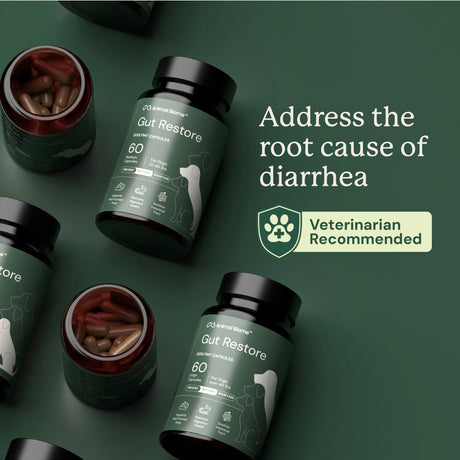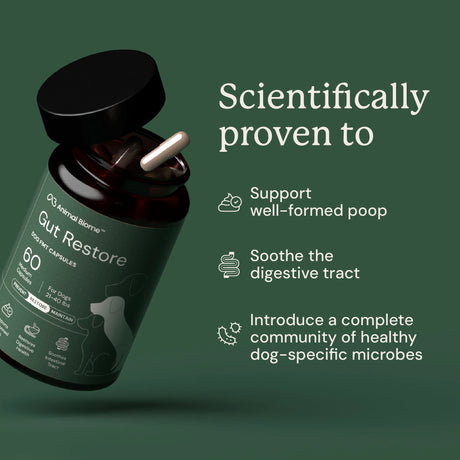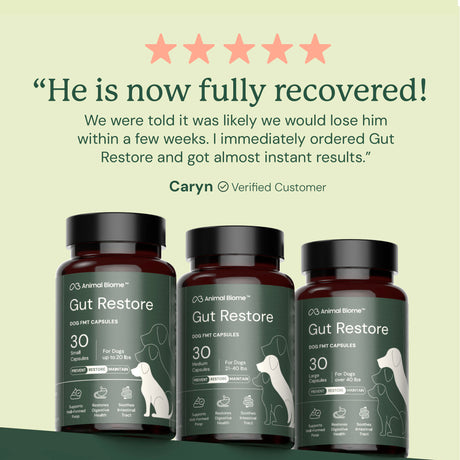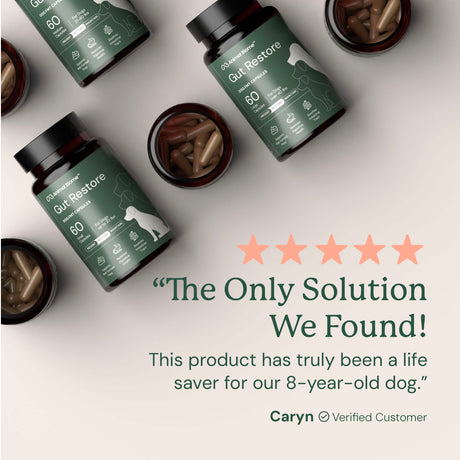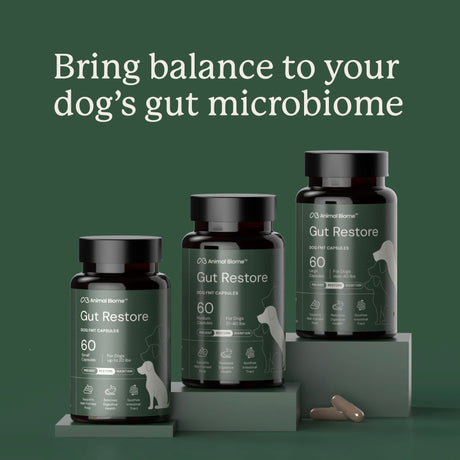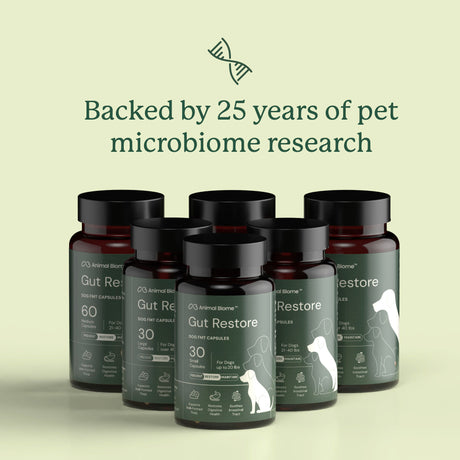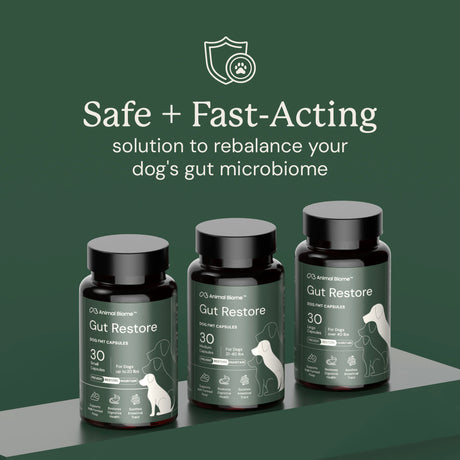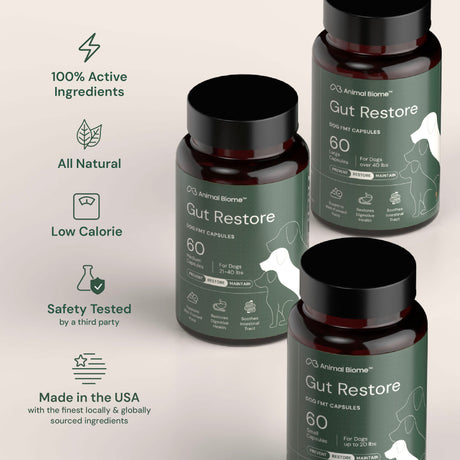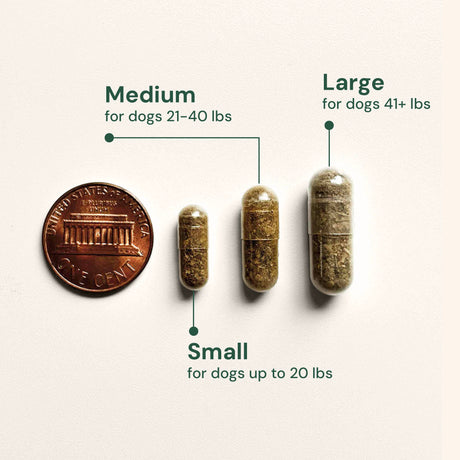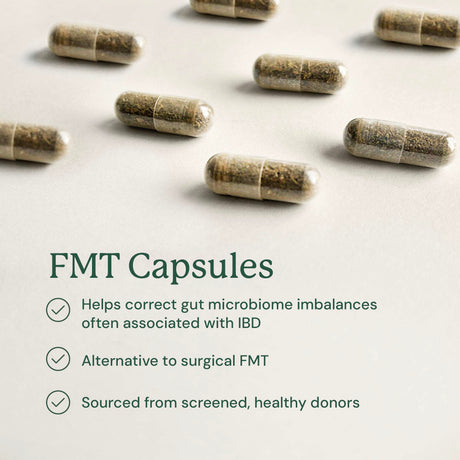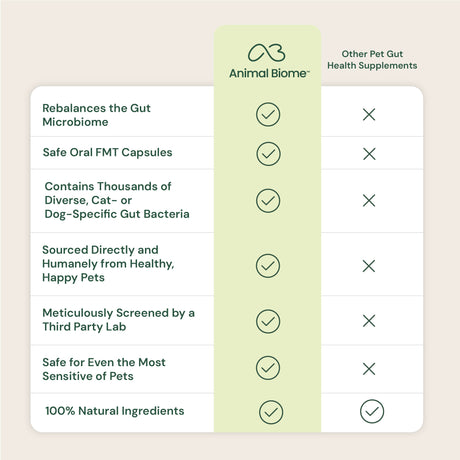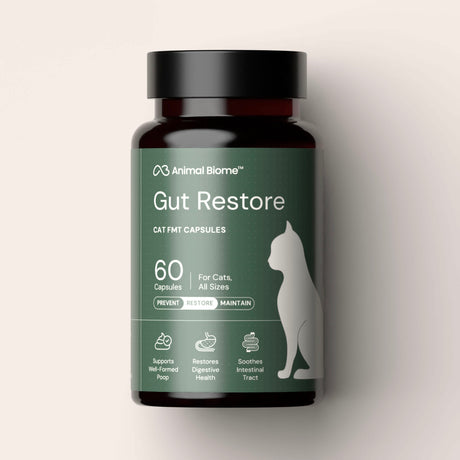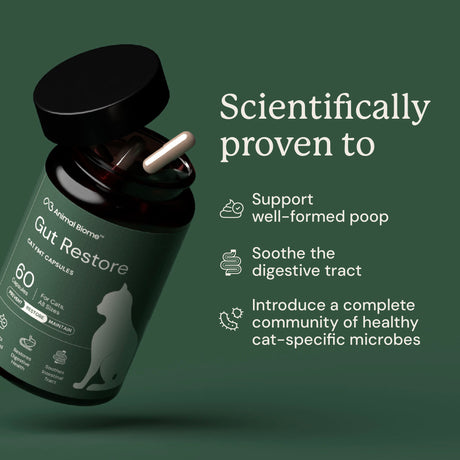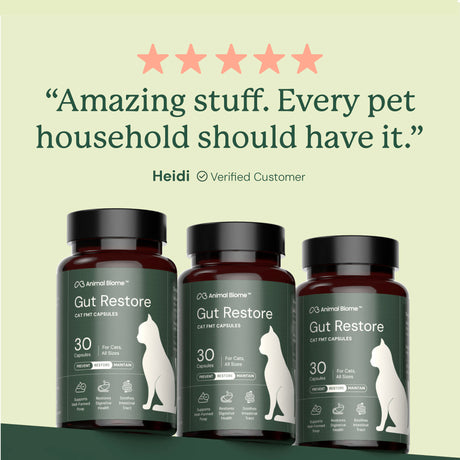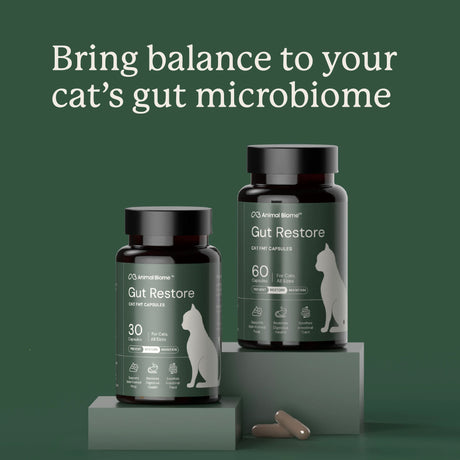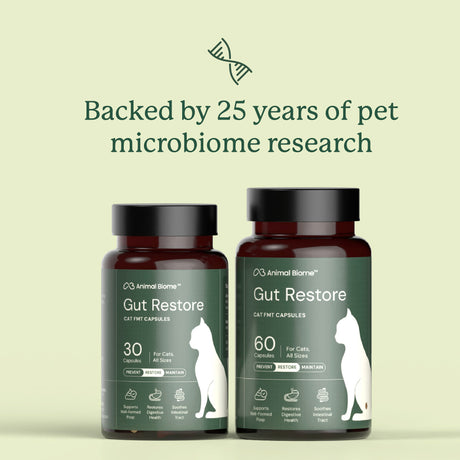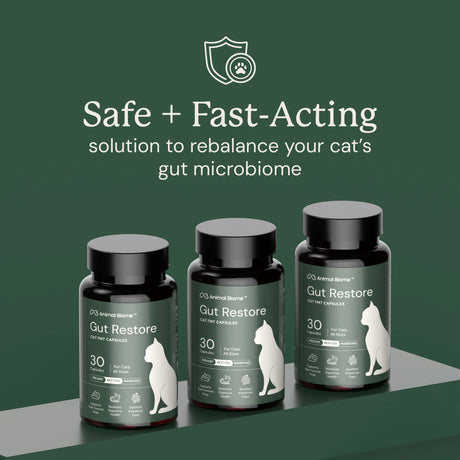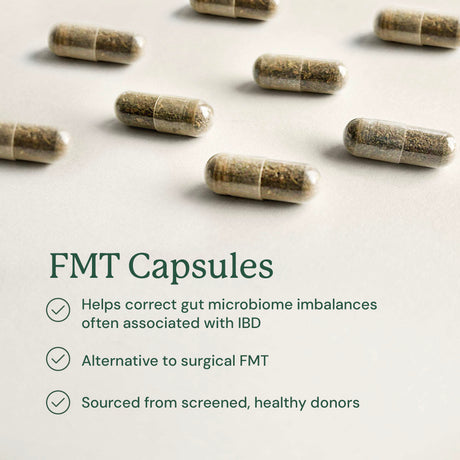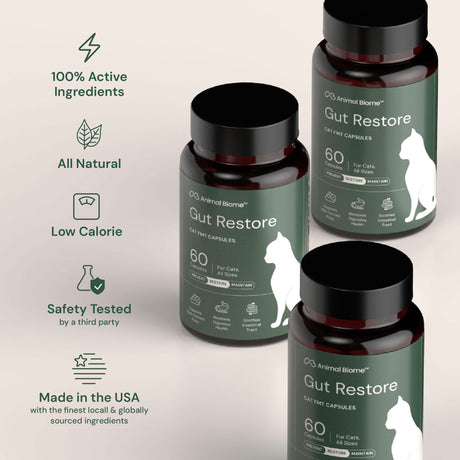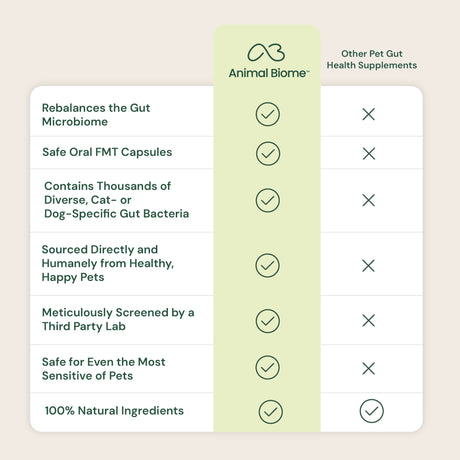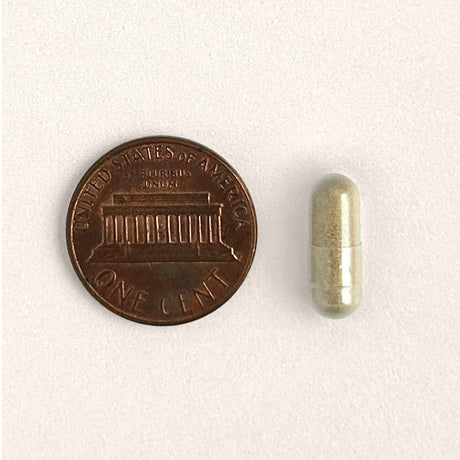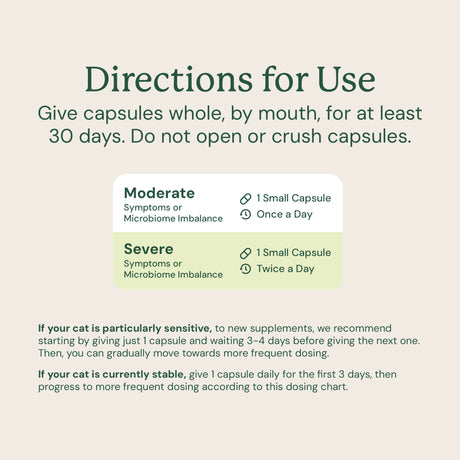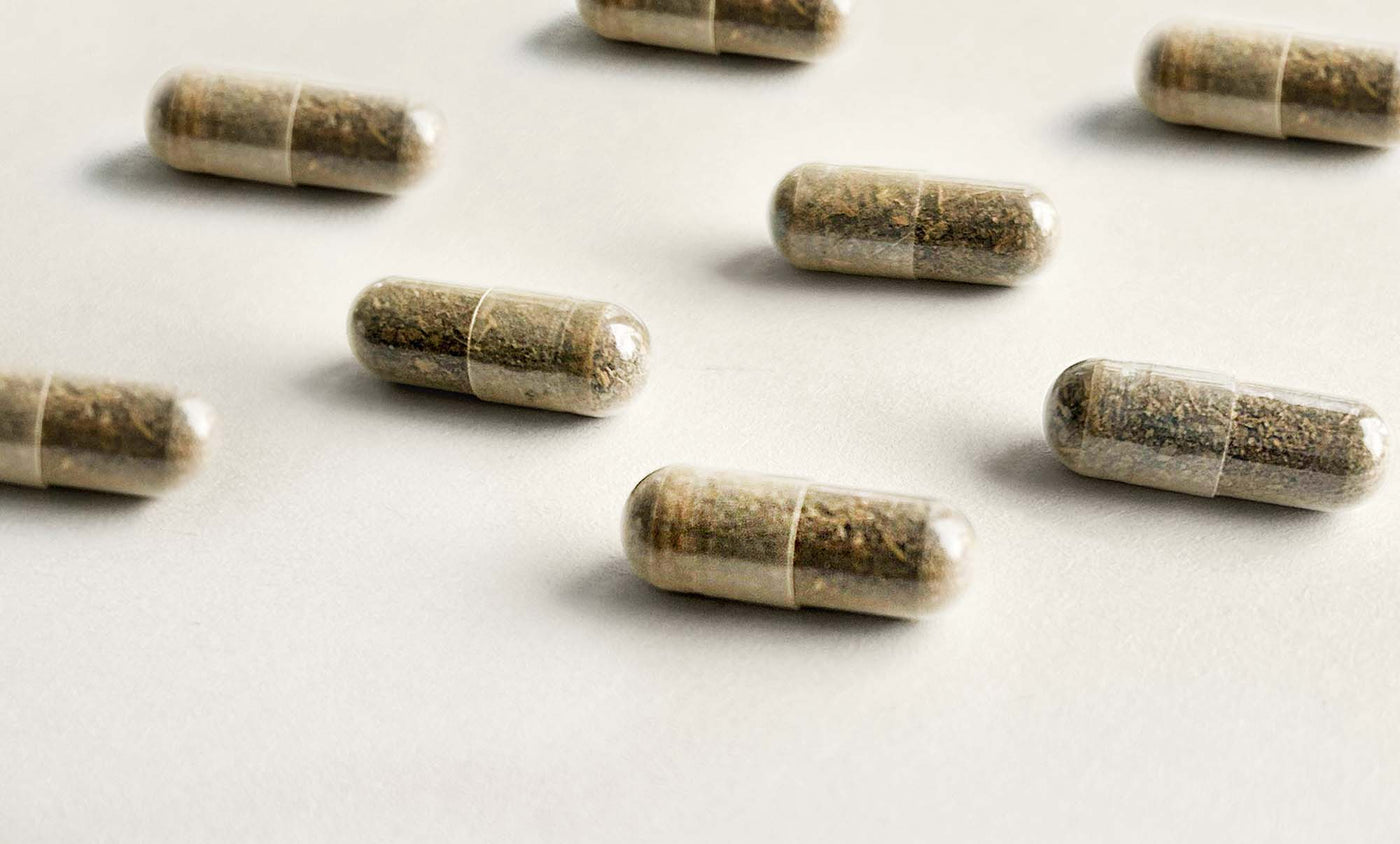
Since 2016, Animal Biome has maintained a premium stool bank of fecal material from healthy cat and dog donors living in homes. The screened stool is used for Animal Biome’s Gut Restore products, which are orally administered fecal microbiota transplant (FMT) supplements for cats and dogs. Gut Restore comes as a convenient capsule that can be given by mouth at home. In published studies, FMT is well-established as an effective solution for a range of health issues, including chronic diarrhea and itchy skin.
Safety of Stool Donors
Careful, frequent donor screening is critical for a safe and successful FMT; Animal Biome takes the screening process very seriously. Before accepting a pet to be a donor for Animal Biome’s stool bank, the pet themselves, as well as their poop, is carefully screened. Read more about our screening criteria below. Animal Biome sets the standard for donor screening across the industry, and the acceptance rate for the program is about 7%.
Donor Screening
Before our scientists even begin to consider a pet’s poop for the donor program, they look at the pet as a whole. Every stool donor must have all of the following:
- No current or prior health issues
- Good temperament, with no behavioral issues
- Healthy body weight
- Good fecal consistency
- No antibiotic treatment in the last 6 months
- Cats must be indoor only; dogs must have daily, supervised outdoor time
Our donors do not live in laboratories or colonies; they are all happy and healthy family pets, living in homes with devoted pet parents. To support a healthy and robust microbiome, they are fed species-appropriate, nutritionally balanced diets in which the protein comes primarily from meat-based sources.
We maintain current veterinary records to verify each donor pet’s suitability for the program.
Donor Poop Screening
Before stool donations are used to make Gut Restore, the stools themselves are verified to:
- Be free of common pathogens, parasites, and infectious diseases (see below)
- Contain a well-balanced, diverse microbiome (based on comparisons to the hundreds of pets in our healthy reference database)
- Have good consistency, color, and odor
Third-Party Laboratory Screening
In addition to screening the donor pets for good health, the poop donations themselves are regularly screened by two third-party (independent) laboratories, Idexx Reference Laboratories and Antech Diagnostics, for dozens of pathogens, parasites, and toxins common to their species. Both laboratories are leaders in the veterinary space, and are trusted by thousands of veterinary clinics all over the world.
Dog Stool Screening
Routine donor and batch screening includes PCR testing for bacterial, viral, protozoal, and helminth pathogens at IDEXX Reference Laboratories(¹) and/or Antech Diagnostics(²). Testing includes, but is not limited to:
- Clostridium perfringens (alpha toxin gene¹, CPnetEF toxin gene¹, enterotoxin gene¹)
- Campylobacter coli¹
- Campylobacter jejuni¹
- Salmonella spp.¹
- Clostridioides difficile (C. difficile) toxins A and B genes¹
- Canine circovirus¹
- Canine distemper virus¹
- Canine enteric coronavirus¹
- Canine parvovirus 2¹
- Cryptosporidium spp.¹ (incl. C. canis² and C. felis²)
- Giardia spp.¹ (incl. Giardia duodenalis² and zoonotic strains²)
- Cystoisospora spp.²
- Eimeria spp.²
- Neospora caninum²
- Ancylostoma spp.²
- Uncinaria stenocephala²
- Toxocara spp.² (T. canis², T. cati²)
- Toxascaris leonina²
- Baylisascaris procyonis²
- Trichuris vulpis²
- Dipylidium caninum²
- Echinococcus multilocularis²
- Echinococcus granulosus²
- Taenia spp.²
Cat Stool Screening
Routine donor and batch screening includes PCR testing for bacterial, viral, protozoal, and helminth pathogens at IDEXX Reference Laboratories(¹) and/or Antech Diagnostics(²). Testing includes, but is not limited to:
- Campylobacter coli¹
- Campylobacter jejuni¹
- Salmonella spp.¹
- Clostridium perfringens (alpha toxin gene¹, enterotoxin gene¹)
- Feline coronavirus¹
- Feline panleukopenia virus¹
- Tritrichomonas foetus¹
- Tritrichomonas blagburni²
- Cryptosporidium spp.¹ (incl. C. canis² and C. felis²)
- Eimeria spp.²
- Toxoplasma gondii¹˒ ²
- Neospora caninum²
- Giardia spp.¹ (incl. Giardia duodenalis² and zoonotic strains²)
- Ancylostoma spp.²
- Uncinaria stenocephala²
- Toxocara spp.² (T. canis², T. cati²)
- Toxascaris leonina²
- Baylisascaris procyonis²
- Trichuris vulpis
- Dipylidium caninum²
- Echinococcus multilocularis²
- Echinococcus granulosus²
- Taenia spp.²
However you achieve an FMT for your pet, we encourage you to inquire about the safety standards and screening processes behind any product that you consider. By strictly adhering to all of the above criteria, Animal Biome has become the leader in fecal transplants for pets. We have completed tens of thousands of successful FMTs to reduce symptoms for cats and dogs all over the world.
We believe all pets deserve lasting wellness, and we’ve seen how transformative FMT can be for pets experiencing symptoms related to an imbalanced microbiome.